Why your cleanser turned on you
ANNIE PALMER Beautiful Skin

You have used the same cleanser for years. Lately your face feels tight after you wash it, in a way it did not used to. The cleanser did not change. Here is the part almost nobody says out loud. The surface of your skin is acidic, and it is not acidic the way a lemon is acidic. It is acidic because it is making acid, all day, out of the oil it produces, the bacteria that live on it, and compounds inside your own skin cells. It is a production line, not a setting. Soap and most foaming cleansers sit at the opposite end. Every wash knocks that acidity down, and your skin rebuilds it. It always did. But estrogen drives the oil, and the oil is one of the raw materials — so as estrogen declines, your skin has less to rebuild with. Same wash. Slower recovery. That is the tightness you are feeling. One thing to try tonight Cleanse once a day, in the evening. In the morning, rinse with water only. You are not doing this because your face is cleaner. You are doing it to give the production line most of a day to catch up, instead of knocking it down twice. What it will not do: it will not repair a barrier that is already damaged. It stops you adding to the damage, which is the first necessary step and a different thing from a repair.
Take care of your skin, and always follow the science.
ANNIE PALMER Licensed Esthetician · AP | Beautiful Skin · Bradenton, FL
Call 941-795-5227 · Text 941-398-5245
anniepalmerbeautifulskin.com
RETINOL
Let’s talk about what is actually happening to your face when you start a retinoid
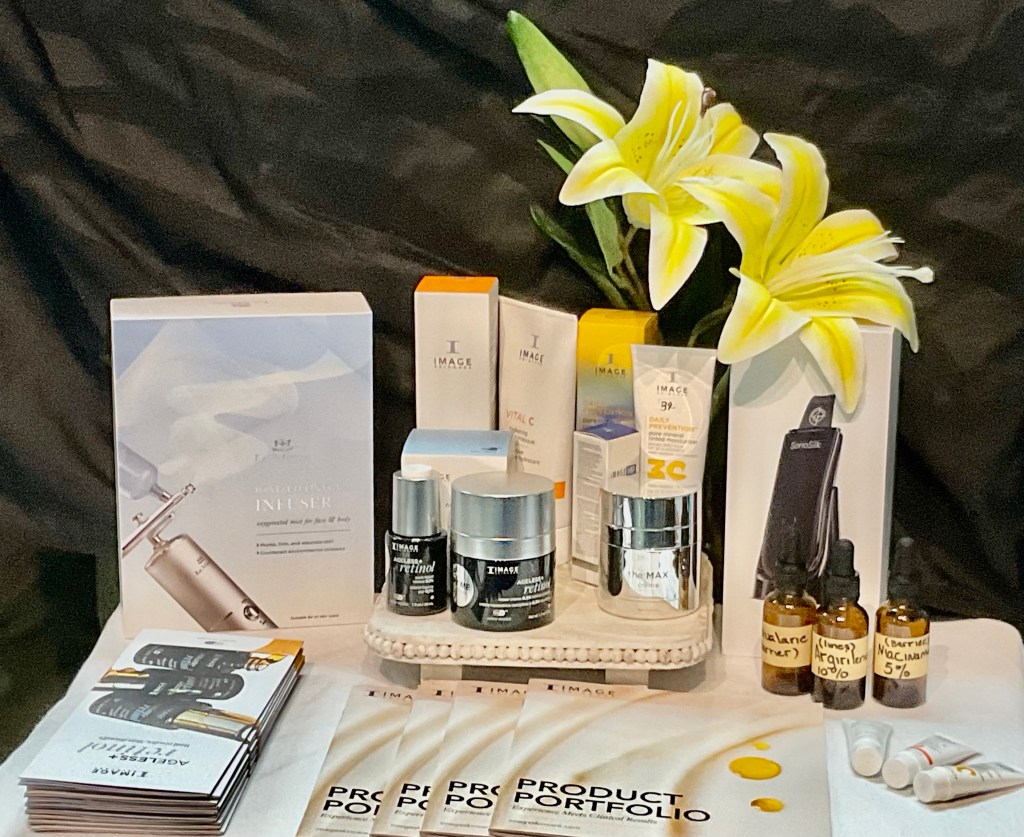
Let’s talk about what is actually happening to your face when you start a retinoid.
Most people call it “purging” or “retinization” and treat it like a mystery — the dryness, the flaking, the unpredictable flush, the way your face feels reactive to things it never reacted to before. The industry tells you to “push through it.” That is bad advice grounded in worse mechanism. 🔬
Here is what is really happening.
Retinol gets into your skin, gets converted in two enzymatic steps to retinoic acid, and retinoic acid binds nuclear receptors called RAR and RXR. Those receptors then bind specific DNA sequences and turn on dozens of genes — collagen synthesis up, keratinocyte turnover up, MMP transcription down. This is the work you came for. This is why retinol is one of the most evidence-supported anti-aging actives in dermatology.
But the same receptor activation also triggers a transient local inflammatory signal. Your epidermis reads accelerated turnover as a controlled injury. Local cytokines release. Capillary beds in the upper dermis dilate. Sympathetic fibers in the skin fire. Your face feels warm, looks pink, becomes reactive to wind and heat and emotion in ways it was not yesterday.
This is not your skin “detoxing.”
This is a sympathetic vasomotor response to a controlled inflammatory signal — autonomic biology, not detoxification biology. Knowing the difference changes how you treat it.
Three things follow from understanding the mechanism.
ONE. The flush is not a sign that retinol is hurting you. It is a sign that the receptors are engaging. Some flush is expected. Sustained flush is over-dosing.
TWO. More frequent application does not produce more results. Retinoid receptors downregulate with continuous exposure — the biology calls this tachyphylaxis. The receptors stop responding. You get all of the inflammation and less of the gene expression. This is why the rest day matters. One day per week with no retinol is not a luxury. It is what allows your receptors to reset so the next exposure actually does something.
THREE. The autonomic dysregulation that retinol produces is real and it requires support, not push-through. Cool environment on application nights. No hot water on your face. Squalane to seal. Niacinamide nightly to quiet the cytokine signal. Sunday off.
Retinol is the most powerful aging-correction tool you can buy without a prescription. It works through nuclear receptor biology that is genuinely elegant. It also asks something of your nervous system every time you use it. Treat it with the respect that earns you the result without the cost.
If you are starting retinol or struggling with one you started, the Cornerstone Skin Reset is built specifically to support your skin through retinoid integration without sensitization. Three months. Restored barrier. Receptor biology that finally gets to work the way it was designed to.
📲 Book a Cornerstone Consultation:
Book Now
📞 (941) 398-5245
💻 http://www.anniepalmerbeautifulskin.com
Take care of your skin, and always follow the science. 🔬
— Annie Palmer | Beautiful Skin | Dermaceutical Architect | Bradenton FL
Most women over 60 are using Vitamin C wrong
Most women over 60 are using Vitamin C wrong. Not because they chose the wrong product — because nobody explained what their skin is actually doing with it. 🍊
Here is what is really happening.
Vitamin C — when it reaches the right layer of your skin at the right concentration — does three things simultaneously. It blocks the enzyme that makes pigmentation. It donates electrons to neutralize the free radicals that break down your collagen. And it acts as a co-factor for the enzymes that build new collagen in the first place.
Three mechanisms. One molecule. All of them relevant to exactly what mature skin needs.
The catch is delivery. Standard ascorbic acid — the form in most drugstore Vitamin C serums — is water soluble. Your skin barrier is lipid-based. Water-soluble actives and lipid barriers are not natural partners. A significant portion of what you apply never reaches the layer where these mechanisms actually operate.
The form that crosses the barrier reliably is tetrahexyldecyl ascorbate — a lipid-soluble Vitamin C that moves through the stratum corneum the way it was designed to move. This is the form in the Vitamin C serum I use in the Cornerstone Skin Reset protocol. At 20% concentration it is not decoration. It is a clinical decision.
If your Vitamin C serum is not doing what you hoped — the problem may not be the vitamin. It may be the form.
💬 Drop a comment if you want to know what form your current Vitamin C is in. I will tell you honestly.
📲 Book a free skin consultation:
https://booksy.com/en-us/1523343_annie-palmer-beautiful-skin_skin-care_15846_bradenton
📞 (941) 398-5245
💻 http://www.anniepalmerbeautifulskin.com
Take care of your skin, and always follow the science. 🔬
— Annie Palmer | Beautiful Skin | Dermaceutical Architect | Bradenton FL
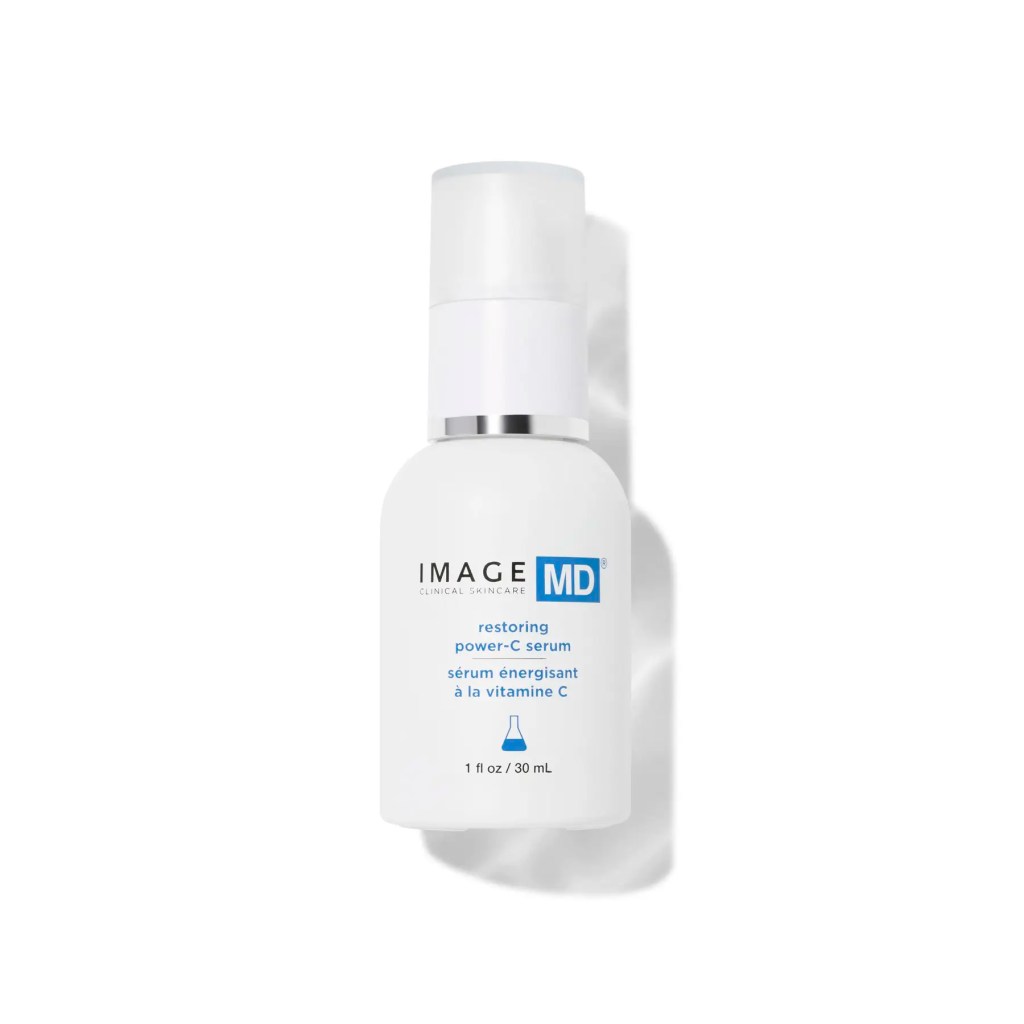
I Designed A Protocol For Your Skin. Here Is What It Does And Why.
By Annie Palmer | Beautiful Skin | Dermaceutical Architect
If you are between 45 and 75 and your skin feels like it has stopped cooperating — dry no matter what you put on it, dull when it used to glow, showing lines that seem deeper than they should, carrying pigmentation you did not ask for — I want to talk to you about something I have been building.
It is called the Cornerstone Skin Reset. And it is the reason I do what I do.
Here is the honest version of what is happening to your skin.
Your stratum corneum — the outermost layer of your skin, the one that determines everything you see in the mirror — is a structured biological system. In healthy skin it is organized into precise layers of lipids and cells that hold water in, keep irritants out, and create the smooth, light-reflective surface that reads as youth.
In mature skin that has been under-lipidized, over-cleansed, under-protected, and chronically dehydrated, that architecture breaks down. The ceramides — the lipids that waterproof the barrier — become depleted. The cells that should shed uniformly stop releasing properly. The pH that governs everything drifts upward. Water escapes faster than it can be replaced.
The result is the skin you are describing. Parchment. Dull. Thirsty. Rough.
This is not a cosmetic problem. It is a biological architecture problem. And it requires a protocol that addresses the architecture — not just the surface.
That is what the Cornerstone Skin Reset does.
Three months. Two levels. Every single day.
In my treatment room, you receive a monthly facial designed to clear the surface, super-hydrate the barrier, and prepare your skin to receive everything that follows. Between those appointments you receive bi-weekly microcurrent with my BT Nano device — which stimulates ATP production at the cellular level, re-educates the underlying muscle architecture.
At home, every single day, you follow a protocol I designed specifically for this skin presentation.
Morning: a pH-correct cleanser that does not strip your barrier. A 20% Vitamin C serum that blocks the pigmentation pathway at the enzyme level and protects your existing lipids from oxidation. A 2-4% Niacinamide serum — formulated by me at a verified clinical concentration — that stimulates ceramide synthesis and rebuilds the barrier from within. SPF 75, every single morning, without exception.
Retinol nights, three times per week: the primary structural remodeling agent. It accelerates cell turnover, drives collagen synthesis, and rebuilds the skin architecture that age and damage have eroded.
Non-retinol nights: Vitamin C continued for pigment suppression, my custom Argireline 10% serum for cumulative softening of expression lines, and The MAX Creme for overnight peptide-rich lipidization.
One rest day per week — Sunday — where your skin gets a break from all actives and only receives what it needs most: a gentle cleanse, pure squalane oil to replenish the lipid barrier directly, and The MAX Creme.
Every product has a mechanism. Nothing is here because it sounds nice.
Can this work for your skin?
If your skin is dry, lipid-compromised, rough, showing fine lines and pigmentation, and between 45 and 75 — yes. The science behind every element of this protocol directly addresses the biological failures that produce those presentations.
By day 15 most clients notice improved surface texture and early hydration improvement.
By month one skin smoothness is measurably better, fine line visibility begins to reduce, and the skin starts to reflect light rather than scatter it.
By month three the barrier is functionally rebuilt. TEWL is reduced. Pigmentation is lighter. The skin looks younger than it did 90 days ago — not because of a trick, but because the architecture has been repaired.
These are not promises. They are what the science predicts when the protocol is followed consistently by someone whose skin matches the profile it was designed for.
What I need from you is simple.
Show up for your monthly facial. Come in for your bi-weekly microcurrent. Do the home care every day — including the SPF, especially the SPF. Do not skip the rest day.
If you do those things, this protocol will do what it was designed to do.
If you want to know whether the Cornerstone Skin Reset is right for your skin specifically — book a free consultation. Come in. I will tell you exactly what I think is happening at the biological level and whether this protocol fits.
That conversation is free. The results are not — they require three months of commitment. But they are real.
Book here:
https://booksy.com/en-us/1523343_annie-palmer-beautiful-skin_skin-care_15846_bradenton
Call or text: (941) 398-5245
Annie Palmer | Beautiful Skin | Dermaceutical Architect
9516 Cortez Rd W #7 | Bradenton, FL 34210
Take care of your skin, and always follow the science.
— Annie
The Thing On Your Bathroom Shelf That Is Aging Your Skin Every Single Morning
By Annie Palmer | Beautiful Skin
I want to talk to you about your cleanser.
Not the fancy serum. Not the retinol you are finally using consistently. Not the SPF you bought and sometimes actually remember to apply. Your cleanser. The thing you use first, every single day, that you probably think about the least.
Because here is what I have been learning — and I mean deep, sit-down-with-the-chemistry-textbooks learning — that is changing how I think about every product in my treatment room and yours.
Your skin has a pH. Specifically, it has what scientists call the acid mantle — a very thin, very deliberate film that sits on your skin surface at a pH of about 4.5 to 5.5. Slightly acidic. On purpose. Maintained by your skin’s own secretions — sweat, sebum, and a cocktail of organic acids your body produces specifically to keep that film in place.
That film is not cosmetic. It is biological infrastructure.
It controls which enzymes activate in your skin. It determines which bacteria can survive on your surface and which cannot. It regulates how tightly your outermost skin cells hold together and when they release. It is, functionally, the first line of everything — hydration, barrier integrity, protection from infection, the rate at which you visibly age.
And most people are washing it away every morning with something alkaline.
Here is the chemistry — I promise I will make it painless.
Your Dove bar? pH approximately 6.5 to 7. Your standard foaming face wash? Often pH 7 to 9. Traditional bar soap? pH 9 to 11. All of them significantly more alkaline than your skin’s natural pH of 4.5 to 5.5.
Every time you wash with something alkaline, two things happen that I need you to understand.
First, the acid mantle is disrupted. The carefully maintained proton environment your skin built overnight gets neutralized in 60 seconds. The enzymes that regulate your skin’s natural cell shedding process — the ones that are supposed to activate at pH 4.5 and stay quiet at pH 7 — go haywire. Your barrier becomes temporarily disorganized. Your skin tries to rebuild. You wash again tomorrow. It tries again. Over years, this cycle contributes to chronic barrier dysfunction, sensitivity, and accelerated visible aging.
Second, and this one is the kicker — alkaline cleansers can literally turn your skin’s own lipids into soap.
I know. I know. But stay with me.
Your skin barrier contains free fatty acids — specific lipid molecules that are part of the waterproofing system that keeps your skin hydrated and your environment out. When a strongly alkaline cleanser contacts those fatty acids, it drives a chemical reaction called saponification — the same reaction that makes soap. Your skin’s barrier lipids are converted into water-soluble salts and rinsed right down your drain.
You are washing your barrier away. Literally.
So what is the answer?
A cleanser formulated at the correct pH. And I mean specifically at pH 4.5 to 5.5 — not “gentle,” not “pH-balanced” in the vague marketing sense that could mean anything, but actually, verifiably, in the range your skin operates in.
The ones I reach for — for myself and for my clients:
A good acid-pH gel or milk cleanser that does not foam aggressively. Foaming is almost always a sign of a higher pH surfactant system. CeraVe Hydrating Cleanser, La Roche-Posay Toleriane Hydrating Gentle Cleanser, and the IMAGE ORMEDIC balancing cleanser are all formulated in the correct range. None of them strip. None of them foam into a satisfying lather that feels like it is doing something heroic. They just quietly do the right thing.
And the Dove? I am not here to be cruel about Dove. It is dramatically better than traditional bar soap. But “better than bar soap” is not the bar we are shooting for anymore. Not in this treatment room. Not with what I now know.
Why am I telling you this?
Because I am a year into a deep dive into the chemistry and epigenetics of skin aging — and I mean deep. Primary research papers, acid-base chemistry, the molecular mechanisms of every active I use on you. I am building toward what I am calling a Dermaceutical Architect practice — protocols designed at the molecular level, not just applied from a menu.
And the more I learn, the more I realize that the foundational things matter most. The pH of your cleanser is not a detail. It is the first decision of your entire skincare protocol. Get it wrong and everything that follows is working uphill.
Get it right and your skin spends every night rebuilding exactly what it is supposed to rebuild — so that when you come see me, and when you apply that retinol, and when you finally use that SPF consistently, all of it lands on a barrier that is ready to receive it.
That is the goal. That is what we are building toward together.
Take care of your skin, and always follow the science.
Sincerely,
Annie
So how does squalane work?
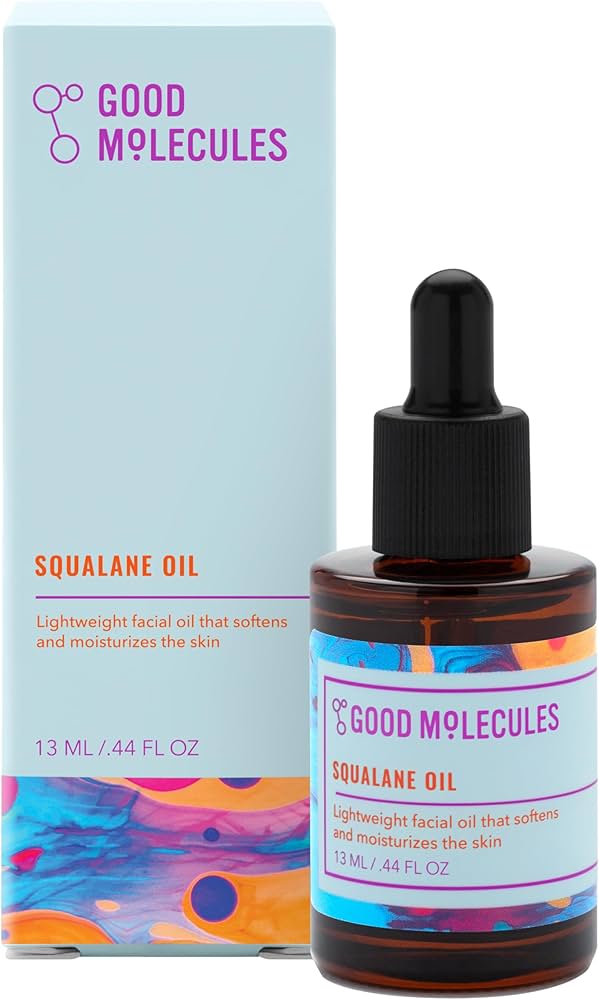
Squalane oil is all the rage—and the excitement is justified. But how exactly does it strengthen your skin barrier and soften the signs of aging?
Let’s turn it over: squalane is a hydrogenated, stable form of squalene, a lipid your skin naturally produces. As we age, our natural squalene levels decline, leaving skin more vulnerable to dryness and oxidative stress. That’s where squalane steps in.
Instead of binding receptors or triggering cell maturation, squalane works by:
- Mimicking natural lipids: It integrates seamlessly into the skin’s barrier, filling in gaps between cells to reduce water loss.
- Fortifying the barrier: By replenishing the lipid matrix, it helps your “armor layer”—the stratum corneum—stay flexible, resilient, and protected.
- Delivering antioxidants: Squalane neutralizes free radicals, slowing collagen breakdown and helping skin look firmer and more youthful.
- Soothing and balancing: Lightweight and non-comedogenic, it calms irritation without clogging pores, making it suitable for all skin types.
The result? Skin that’s hydrated, resilient, and radiant. Moisturized skin naturally glows with health—and healthy, glowing skin always looks younger.
I love using squalane oil, on clients and on myself. It’s a simple ingredient with powerful science behind it, and I thought it was worth sharing.
Take care of your skin, and always follow the science.
Sincerely,
Annie
Did you know?
The body needs fats, healthy ones of course but fats.
Healthy fats are non‑negotiable for skincare: they feed the lipid barrier, helping to maintain keratinocyte membrane fluidity and stratum corneum lipid balance(keeps your skin soft and glowing). Lipids regulate inflammation, and enable vitamin absorption. Fat‑free diets compromise barrier repair and systemic health. The best approach is a balanced intake of monounsaturated fats (like olive oil) and polyunsaturated fats(like salmon & walnuts), with moderation in saturated fats(like dark chocolate and cocoanut) and avoidance of trans fats(like margarine and packaged cookies and crackers and basically anything with man made fats).
The endpoint is that if you want soft supple skin, that has a natural healthy glow, skip the Fat Free Fad and, Eat more of these healthy fats:
Olive oil – supports vascular and barrier health.
Avocados – rich in oleic acid, also provide fiber and antioxidants.
Macademia Nuts– Benefits: support cardiovascular health, reduce inflammation, and contribute to skin barrier lipid balance.
Take care of your skin and follow the science…
Sincerely,
Annie
Sugar, Sun, Water & the Devil or…why you are aging so fast and why you don’t have to.
By Annie Palmer| Beautiful Skin
Alright, Is this you?
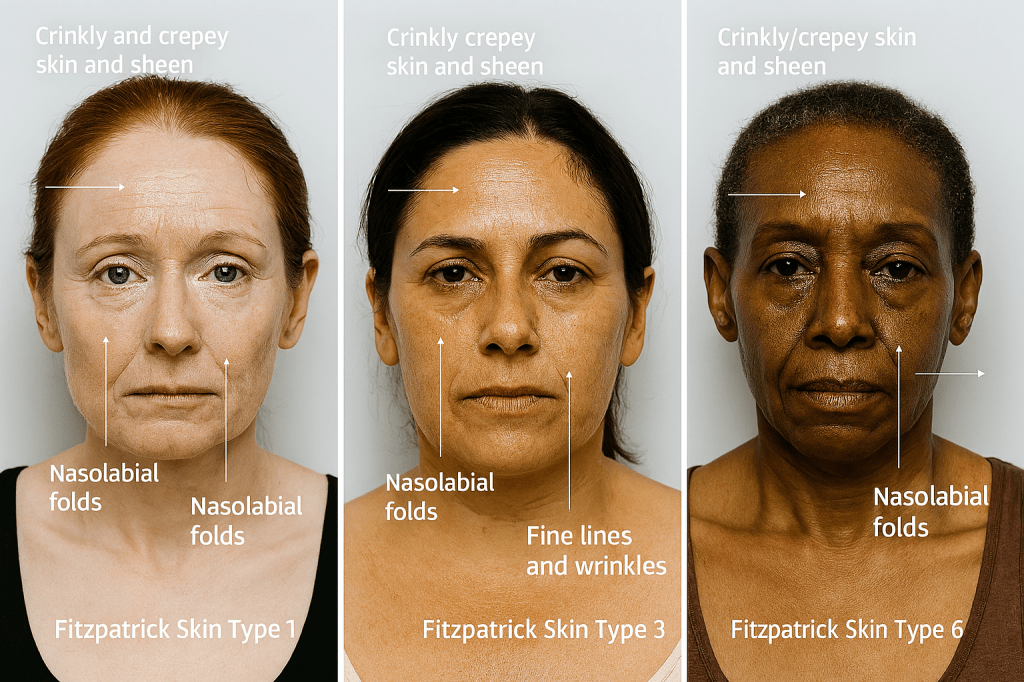
*Generated images used to visualise skin architectural collapse
”Why am I looking more like a French bull-dog each year? Who invented jowls? Why does my face look like an abused piece of parchment…with fractals? I hate math! My skin type is Lipid Dry, so why am I always covered in a fine sheen of oil slick? And somebody please explain why my forehead looks like I have Saran Wrap on my forehead?!”
Ok, I’ll tell you:
The bull-dog face that just keeps on coming on each year is the sugar. Yes sugar is delicious but the more sugar you scarf down, the more aggravated assault you allow on the elastin, literally holding up your face. Sugar ties up your elastin proteins, binds them up until they essentially lose mobility, become brittle, then guess what? Brittle things break. Sugar hates you and it hates ELASTIN, an essential skin protein that keeps your skin looking taut and supple and you looking youthful. Bull-dog face, jowls or if you prefer to fancy it up, naso-labial folds are what happens when sugar gives your Vital Skin Protein arthritis then UV light from all your unprotected sun exposure rains down on your vulnerability and collapses your skin architecture.
Now let’s talk about the water. Listen to your dermatologist! When he/she tells you to drink more water for the dark circles and the shiny forehead. Drink the damn water and don’t forget the accompanying essential electrolytes to aid effective water processing by your body.
And the Devil? Don’t give the devil that is AGING more power over you. Don’t feed this demon. Don’t do SUGAR, Don’t do Sun (unprotected), and Please, DRINK THE DAMN WATER.
Take care of all your skin and follow the science,
SINCERELY,
ANNIE
Too much lipid?
*Generated Image used educationally to visualise malassezia
Skin care is an art and a science. Choosing products and services for your skincare needs requires that your skin-care artist is knowledgeable about the science behind the protocols and products being used to provide for your skin’s needs, even if your needs is just a quick cleanse, some quick hydration and a barrier top-up.
This brings me to my point. Barrier care is an essential part of facials. In the treatment room and at home we insult the skin to make the barrier more permitting of actives. If we are being diligent we also take equal care to ensure that we are restoring that barrier with the right restoratives. For example, niacinamide and ceramides signal skin cells to mature, differentiate and move up to the topmost layer of the skin. Part of that migration sees increased lipid secretions meant to shore up the skin barrier and tighten up that selective permeability returning that suppleness, smoothness, glow and protection from invasion of foreign matter organisms back to the skin.
So what’s the problem? Too much of a good thing can be too much of a good thing. The lesson here is that excessive emollient use and ‘lipidation’ of our skin in an effort to restore the lipid barrier can back-fire and instead of making our skin soft, glowy and protected we can over-feed a very nasty little fungus called Malassezia or more specifically, Pityriasis versicolor. This fungus thrives on super emollient occlusives such as olive oil and castor oil (some clinicians use these as topicals and this is correct in the right amount and contexts). p.Versicolor also thrives on sebum produced naturally in the skin.
Putting it all together. Stimulating the skin to produce more lipids must be done in moderation, according to the needs of your skin type and with professional guidance. As in all things too much can be too much and the ramifications of over-doing isn’t always an easy fix.
If you think that you have p.Versicolor, talk to your dermatologist who will most likely, after professional diagnosis put you on a regimen of antifungal. Incidentally, it is common knowledge that p. Versicolor on the body can be treated using a typical antifungal shampoo such as Selsun Blue, which has Selenium Sulfide, the key antifungal active.
Until next time,
Take care of all your skin and follow the science
Sincerely Annie
Defining Skin Care
According to Wikipedia, Skincare refers to a systematic approach to supporting the skin’s barrier function, cellular turnover, and aesthetic integrity. It includes:
- Cleansing: Removing dirt, oil, and environmental debris.
- Moisturizing: Replenishing hydration and supporting lipid balance.
- Protecting: Shielding from UV radiation, pollutants, and oxidative stress.
- Treating: Addressing specific concerns like acne, hyperpigmentation, aging, or sensitivity.
Skincare is that sweet spot nestled just between a focus on your make-up, perfumes, hygenics and dermatology. My name is Annie, I live here, in the in-between; what I do in my treatment room is far better than make-up and never as invasive as the surgery you don’t want to have.
I am an esthetician. My protocols for head to toe inside out skincare are preventive, corrective, or supportive depending on what you need.
In every undertaking it is best to start from the beginning so I thought I would start with the definition of Skin Care and an introduction to what Annie Palmer|Beautiful Skin is all about.
I hope this helped, sincerely, Annie


Leave a Reply